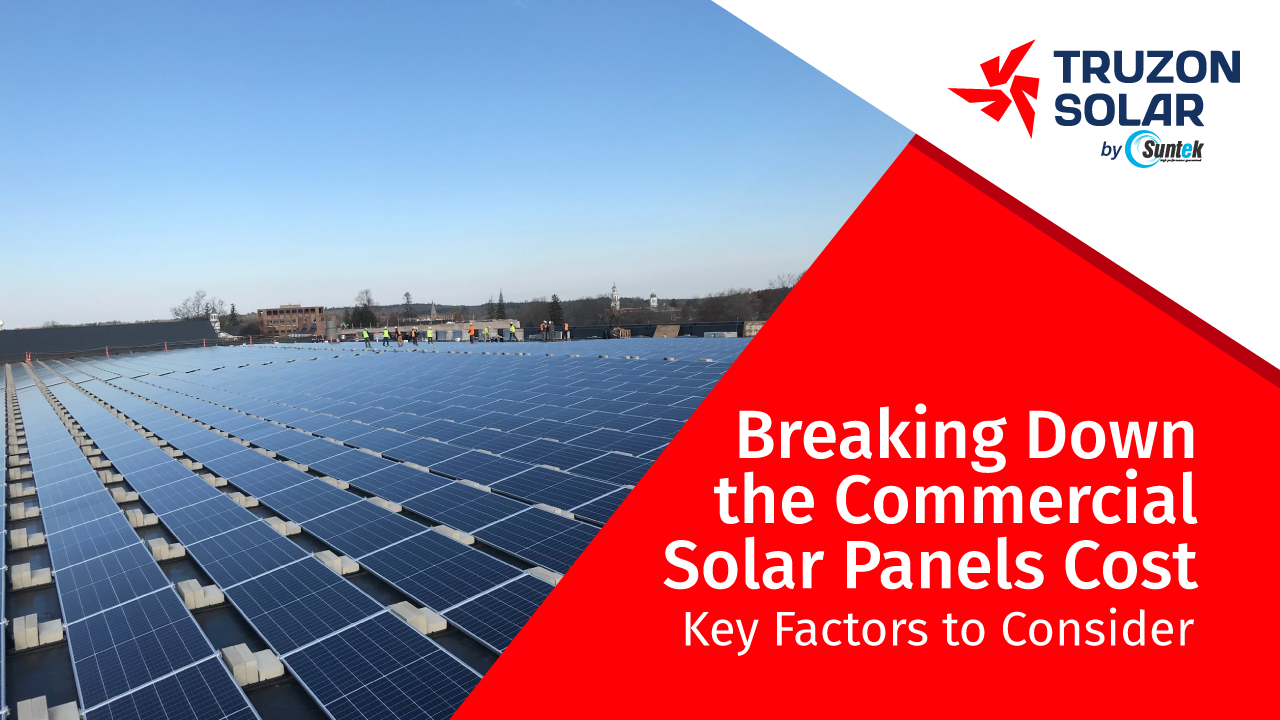
Solar energy is empowering businesses to make smarter, greener choices, and it’s changing the way we think about power. With innovations like commercial solar panels, tapping into clean energy has never been more accessible or impactful. Whether you’re planning a rooftop installation or a ground-mounted solar system, commercial solar panels offer tailored solutions that align with your needs. Let’s look more into it.
How do commercial solar panels work?
When delving into the commercial solar panels landscape, it’s vital to understand how these panels generate electricity. Photovoltaic (PV) cells, composed of silicon, are the core of every solar panel. Sunlight interacts with the thin silicon cells, knocking electrons free from their atoms. This movement produces a photovoltaic charge that generates DC electricity, which is then converted into AC electricity for practical use.
Exploring Commercial Solar Panels Costs, Types, and Systems: Key Factors To Consider
When delving into the commercial solar panels landscape, it’s vital to understand how these panels generate electricity. Photovoltaic (PV) cells, composed of silicon, are the core of every solar panel. Sunlight interacts with the thin silicon cells, knocking electrons free from their atoms. This movement produces a photovoltaic charge that generates DC electricity, which is then converted into AC electricity for practical use.
Curious about the commercial solar panels cost and the subsidies available in India? Let’s take a closer look.
Types of Commercial Solar Panels
The commercial solar panels cost depends significantly on the type of panel you choose. Two popular options for PV systems are:
1. Monocrystalline Solar Panels
These panels are crafted from single silicon crystals, giving them their sleek black appearance and higher efficiency. Monocrystalline commercial solar panels boast an impressive lifespan of 25 years, an efficiency range of 19-20%, and a low-temperature coefficient of 0.35% per degree Celsius. They degrade at an annual rate of just 0.5%, ensuring consistent performance over time. Monocrystalline commercial solar panels cost approximately ₹31 per watt.
2. Polycrystalline Solar Panels
Known as multi-crystalline panels, polycrystalline commercial solar panels are more affordable but come with slightly lower efficiency. They operate with a 16-17% efficiency rate and degrade at 0.7% annually, which is higher than mono panels. Polycrystalline commercial solar panels cost is around ₹25.5 per watt, making them a budget-friendly choice for larger commercial solar installations.
Types of Commercial Solar Panels Systems
When planning your commercial solar installation, understanding the available systems is crucial. These systems determine how efficiently your commercial solar panels integrate into your energy setup:
- On-Grid Solar SystemThe most popular option, on-grid systems connect to the power grid and lack a battery. This type is cost-effective, requires minimal maintenance, and is eligible for subsidies under specific conditions, particularly for rooftop installations. If you’re looking to maximize savings with your commercial solar panels, an on-grid system is an excellent choice.
- Off-Grid Solar SystemOff-grid systems are independent and come equipped with batteries to store energy. Ideal for rural settings, they provide self-sustaining power solutions but are more expensive due to the additional battery costs. While they complement commercial solar panels, the price may be higher for businesses.
- Hybrid Solar SystemA blend of on-grid and off-grid features, hybrid systems utilize battery backup while remaining grid-connected. They solve power outage issues and offer flexibility but are more costly because of the batteries involved. Businesses using hybrid systems with commercial solar panels benefit from reliability at a premium price.
Read More: Difference between On-Grid and Off-Grid Solar System
As you explore the potential of commercial solar panels, understanding these systems, costs, and the impact of subsidies can guide you toward a well-informed decision. Whether you prioritize efficiency, budget, or self-sufficiency, commercial solar panels provide a range of opportunities to power your business sustainably.
Commercial Solar Panels Cost in India (2025 Breakdown)
Investing in commercial solar panels is a cost-effective and sustainable energy solution for businesses. With varying costs based on plant size, key components like solar panels, inverters, and mounting structures play a significant role in determining the total expenditure. Commercial solar installations also factor in land acquisition, installation, and grid integration costs.
Estimated Commercial Solar Panels Cost Breakdown for Commercial Solar Panels Installation (subject to market changes)
| Estimated Cost Component | 1 MW | 2 MW | 5 MW | 10 MW |
|---|---|---|---|---|
| Solar Panels | ₹2–₹3 crores | ₹5.5–₹7.5 crores | ₹14–₹22 crores | ₹30–₹40 crores |
| Inverters | ₹40–₹80 lakhs | ₹80 lakhs–₹1 crore | ₹2–₹3 crores | ₹4–₹6 crores |
| Mounting Structures | ₹30–₹50 lakhs | ₹70–₹90 lakhs | ₹2–₹3 crores | ₹4–₹6 crores |
| Land Acquisition | ₹30–₹50 lakhs (4–5 acres) | ₹50 lakhs–₹1 crore (10 acres) | ₹2–₹3 crores (25 acres) | ₹4–₹6 crores (50 acres) |
| Commercial Solar Installation & Labor | ₹40–₹80 lakhs | ₹50–₹70 lakhs | ₹2.5–₹3.5 crores | ₹5–₹7 crores |
| Grid Integration & Others | ₹30–₹50 lakhs | ₹40–₹60 lakhs | ₹1.5–₹2.5 crores | ₹3–₹5 crores |
| Total Estimated Cost | ₹5–₹6.5 crores | ₹10–₹12 crores | ₹22–₹25 crores | ₹40–₹50 crores |
Commercial Solar Power Plant Subsidy for GHS/RWA
Under the commercial solar power plant subsidy scheme, Group Housing Societies (GHS) and Resident Welfare Associations (RWA) can benefit from financial support of ₹18,000 per kW. This subsidy applies to common facilities, including EV charging infrastructure, up to a total capacity of 500 kW. Notably, this limit includes individual rooftop solar installations by residents within the GHS/RWA. This initiative helps promote sustainable energy solutions while reducing overall costs for larger communities.
Want ₹18,000/kW subsidy on commercial solar panels? Check eligibility now!
PM KUSUM: Subsidy for Commercial Solar Panels for Farmers
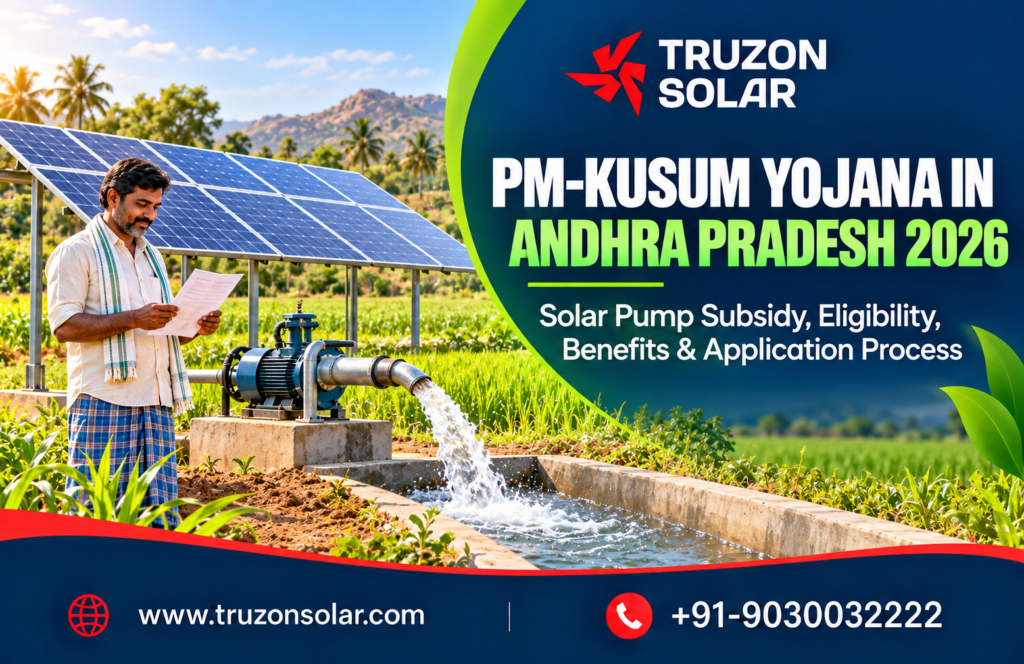
The PM-KUSUM (Pradhan Mantri Kisan Urja Suraksha evam Utthaan Mahabhiyan) scheme is a transformative initiative by the Indian government aimed at promoting solar energy adoption among farmers and rural communities. This scheme not only supports agricultural sustainability but also opens avenues for renewable energy development, including the installation of commercial solar panels.
Under Component A of the scheme, farmers can set up grid-connected solar power plants ranging from 500 kW to 2 MW on barren or uncultivable land. These solar plants, which often utilize commercial solar panels, allow farmers to sell electricity to local DISCOMs at state-regulated tariffs, creating an additional income stream.
The scheme also emphasizes the use of high-quality solar panels, ensuring efficiency and longevity, which are critical for both agricultural and commercial solar installations.
Choose Truzon Solar for a greener tomorrow!
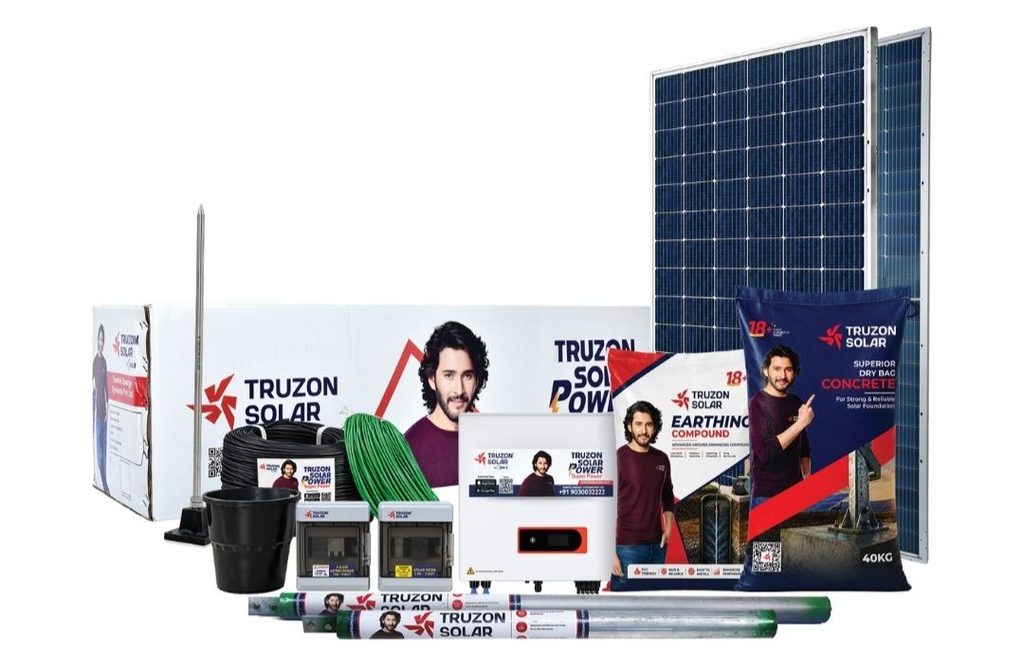
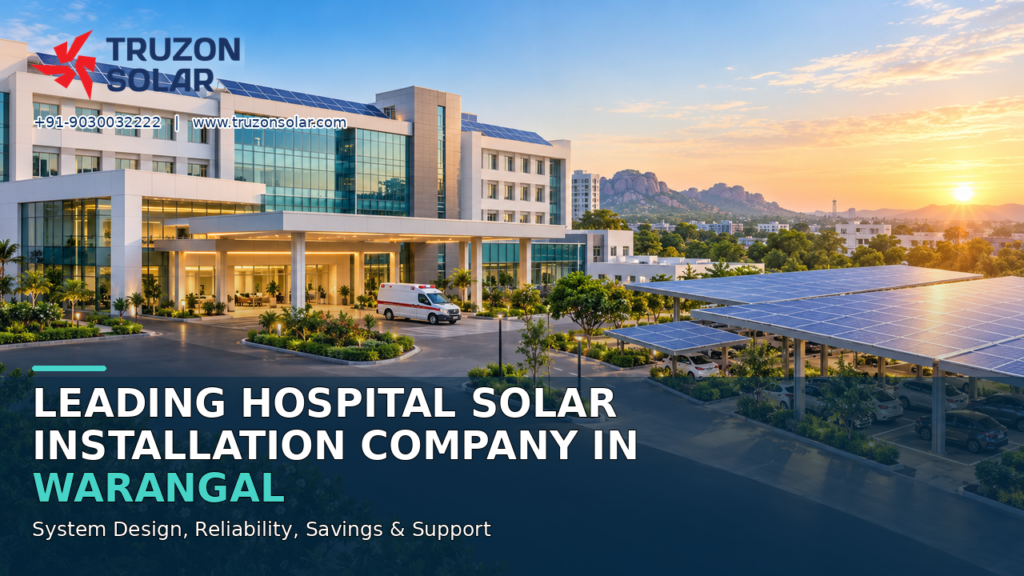
Truzon Solar offers cutting-edge energy solutions, featuring premium commercial solar panels designed for efficiency and durability. With their expertise in installation and long-term maintenance, they ensure businesses achieve optimal energy performance. Choose Truzon Solar for reliable, innovative systems powered by state-of-the-art commercial solar panels.
About the Author